When you’re preparing for the HESI A2 entrance exam, the anatomy & physiology section can be a real brain-buster, especially when it comes to common medical conditions. It’s not just about memorizing a bunch of terms—you need to understand what these conditions mean, how they affect the body, and what symptoms they cause. In this guide, I’ll break down some of the most common medical conditions you’ll encounter on the HESI A2 anatomy section, with examples and tips to help you ace this part of the test. I’ll also point you toward a solid study guide and a free practice test to ensure you’re ready to crush it. Ready to dive in? Let’s go.
What to Expect in the HESI A2 Anatomy Section on Medical Conditions
The HESI A2 anatomy & physiology section covers a wide range of topics, including common medical conditions. You need to know what these conditions are, how they’re diagnosed, and what treatments might be used. Here’s what you can expect:
- Number of Questions: The anatomy section typically has about 25 questions, but this can vary. It might not seem like much, but each question can cover a lot of ground, so don’t take it lightly.
Common Medical Conditions You Need to Know
Let’s talk about some of the most common medical conditions you need to understand for the HESI A2 anatomy section. If you’re not familiar with these, you’re going to have a tough time. Here’s what you should focus on:
Hypertension
Hypertension, or high blood pressure, is a common condition where the force of blood against the artery walls is too high. You should understand what causes hypertension, the risks it poses to the cardiovascular system, and common treatments. If the question mentions “systolic” and “diastolic” pressures, know that systolic is the top number and diastolic is the bottom number in a blood pressure reading.
Diabetes
Diabetes is a condition where the body either can’t produce insulin (Type 1) or can’t use it effectively (Type 2). This leads to high blood sugar levels. You should know the symptoms of diabetes, like increased thirst and frequent urination, and understand the basics of insulin and glucose regulation. If you see “hyperglycemia,” that’s high blood sugar, and “hypoglycemia” is low blood sugar.
Asthma
Asthma is a chronic respiratory condition where the airways become inflamed and constricted, making it difficult to breathe. You should know common triggers, like allergens and exercise, and understand how medications like bronchodilators are used to manage symptoms. If the question mentions “wheezing” and “shortness of breath,” it’s probably about asthma.
Osteoporosis
Osteoporosis is a condition where bones become weak and brittle, increasing the risk of fractures. Know the risk factors, such as aging and lack of calcium, and understand how weight-bearing exercise and medications can help manage the condition. If the question talks about “bone density,” it’s likely referring to osteoporosis.
Arthritis
Arthritis is an umbrella term for joint inflammation, with common types including osteoarthritis and rheumatoid arthritis. Understand the difference: osteoarthritis is caused by wear and tear, while rheumatoid arthritis is an autoimmune condition. You should know common symptoms like joint pain and stiffness, and understand treatment options, including physical therapy and anti-inflammatory medications.
Heart Disease
Heart disease encompasses a range of conditions affecting the heart and blood vessels, including coronary artery disease and heart failure. Know the risk factors, like smoking and high cholesterol, and understand the importance of lifestyle changes in managing heart disease. If you see terms like “atherosclerosis” or “angina,” they’re referring to forms of heart disease.
Tips for Acing the HESI A2 Anatomy Section on Medical Conditions
Now that you know some of the most common medical conditions, let’s talk about how to nail this part of the HESI A2 exam. Here are some tips to help you out:
Understand the Basics
Start by understanding the basics of each condition. Know the causes, symptoms, and treatment options. Our HESI A2 anatomy & physiology study guide covers these in detail, so it’s a great resource to get you started.
Practice with Sample Questions
The best way to get comfortable with medical conditions is to practice with sample questions. This helps you understand how these topics are tested on the HESI A2 exam and allows you to identify weak spots. Try our free HESI A2 anatomy & physiology practice test to see where you stand.
Use Visual Aids
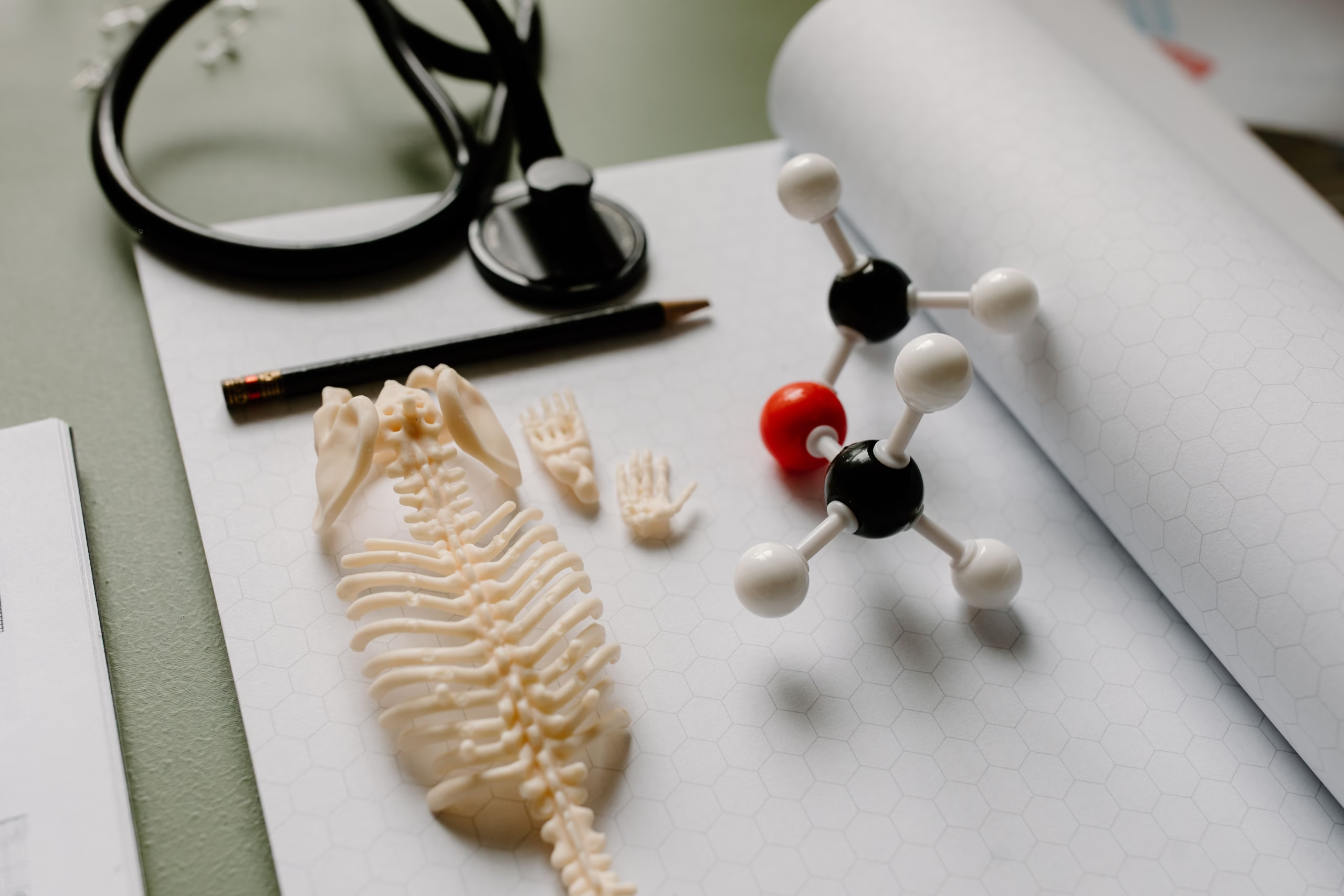
Medical conditions can get complex, so use visual aids to help you understand the underlying concepts. Diagrams, charts, and models can make it easier to grasp the big picture and see how different conditions affect the body.
Stay Calm and Manage Your Time
With 25 questions in 25 minutes, time management is crucial. Keep an eye on the clock and don’t get stuck on a single question. If you’re unsure, make an educated guess and move on. And remember, you can’t skip questions and come back later, so answer each one and keep the momentum going.
Get the Right Study Tools
If you’re looking for a comprehensive resource to help you prepare for the HESI A2 anatomy & physiology section, our study guide has you covered. It provides detailed explanations of common medical conditions and plenty of practice questions to help you build confidence.
With these tips and the right preparation, you’ll be ready to ace the HESI A2 anatomy & physiology section. Grab our study guide, take the free practice test, and let’s get you ready to crush this exam. Good luck!